Advantages And Disadvantages of Using Tungsten Wire to Heat Glass
- Category: Tungsten Information
- Published on 02 July 2025
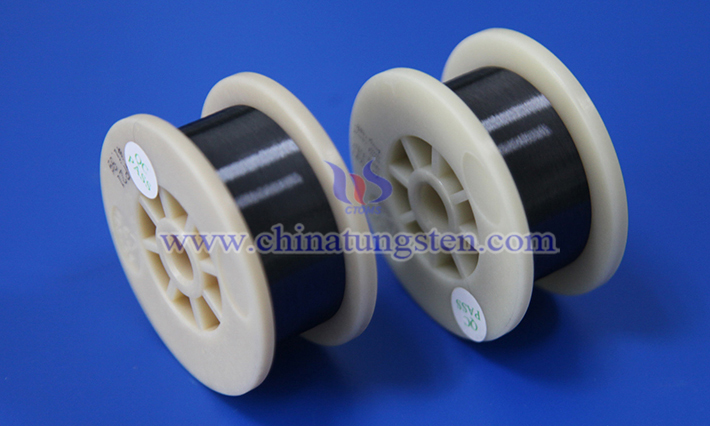
Tungsten wire heating glass is suitable for processes that require high temperature and precise temperature control. The advantages are high efficiency and durability, but the problems of oxidation, cost and equipment complexity need to be solved. In practical applications, it is necessary to weigh the use according to the specific process requirements. The advantages and disadvantages of using tungsten wire to heat glass are as follows:
How is Tungsten Wire Used in Glass Cutting?
- Category: Tungsten Information
- Published on 02 July 2025
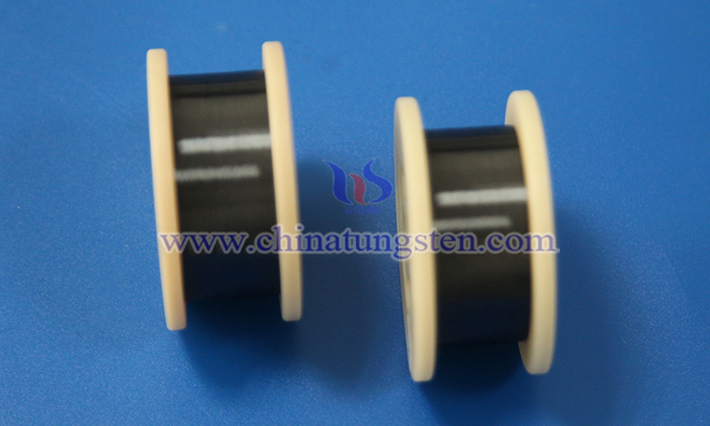
The application of tungsten wire in glass cutting mainly relies on its high strength, conductivity and high temperature heating ability. It can achieve precise cutting through thermal stress cracking, local softening or combined with abrasives and mechanical movement. It is particularly suitable for the processing of thin glass and optical components.
Application of Tungsten Wire in Glass Melting Furnace
- Category: Tungsten Information
- Published on 02 July 2025
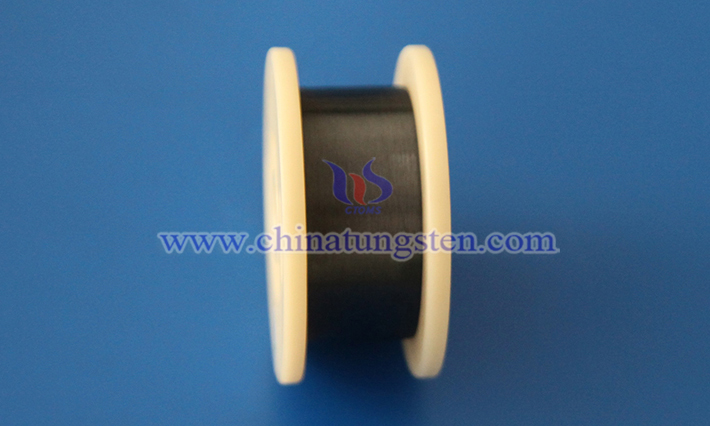
Tungsten wire has important applications in glass melting furnaces due to its high melting point (about 3422°C), excellent high temperature resistance and chemical stability, especially in the field of special glass and precision glass manufacturing. The following is a detailed introduction to its main uses and precautions.
Zinc Tungstate
- Category: Tungsten Information
- Published on 02 July 2025
Like zinc molybdate (ZnMoO₄), zinc tungstate is a compound composed of two transition metal elements and oxygen, gaining widespread attention from semiconductor researchers due to its unique structure and physicochemical properties. Note: Tungsten, zinc, and molybdenum are all transition metal elements; tungsten and molybdenum belong to the same subgroup, with atomic numbers 74 and 42, respectively, while zinc has an atomic number of 30.
Potassium Tungstate
- Category: Tungsten Information
- Published on 02 July 2025
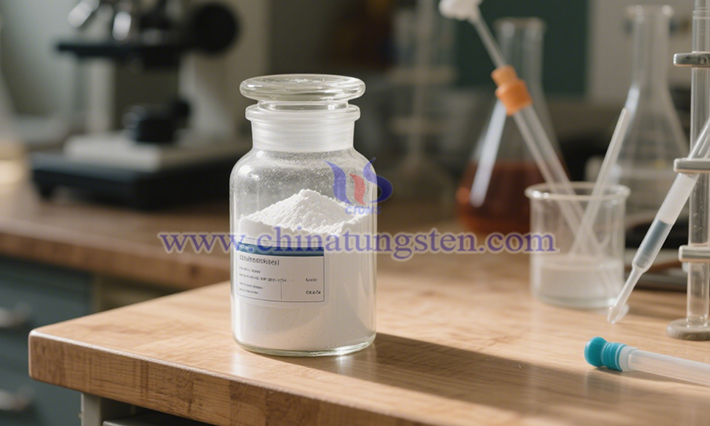
Like sodium tungstate (Na₂WO₄), potassium tungstate is a tungstate composed of an alkali metal, a transition metal, and a non-metal element, exhibiting excellent thermal, mechanical, electrical, and optical properties. It is widely used in chemical and photovoltaic industries. Note: Tungsten is a transition metal element; sodium and potassium are alkali metals with atomic numbers 11 and 19, respectively.
Calcium Tungstate
- Category: Tungsten Information
- Published on 02 July 2025
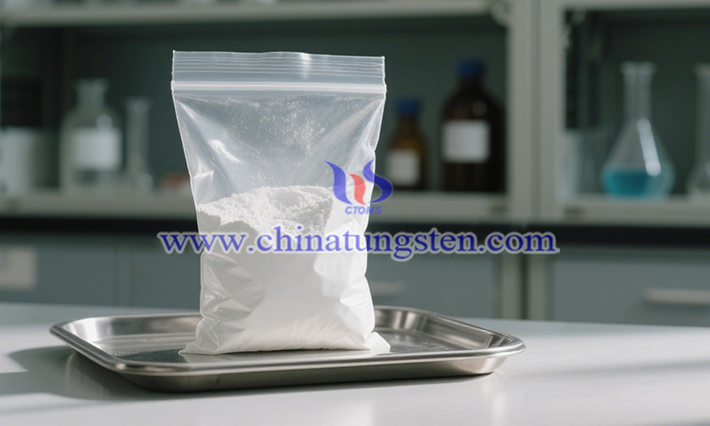
From a chemical composition perspective, unlike sodium tungstate (Na₂WO₄) and potassium tungstate (K₂WO₄), where the cations (Na⁺ and K⁺) are alkali metals, the cation in calcium tungstate (Ca²⁺) is an alkaline earth metal. This leads to slight differences in structure, physicochemical properties, production processes, and applications. Note: Sodium and potassium are both alkali metal elements.
Magnesium Tungstate
- Category: Tungsten Information
- Published on 02 July 2025
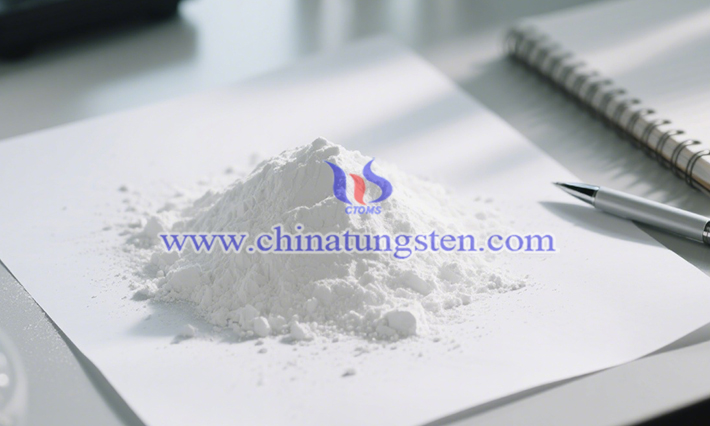
Like calcium tungstate (CaWO₄), magnesium tungstate is an inorganic compound composed of a transition metal, an alkaline earth metal, and a non-metal element, exhibiting excellent optical, electrical, and magnetic properties, making it widely applicable in optoelectronics and chemical industries. Note: Both calcium and magnesium are alkaline earth metals, with atomic numbers 12 and 20, respectively.
Ferrous Tungstate
- Category: Tungsten Information
- Published on 02 July 2025
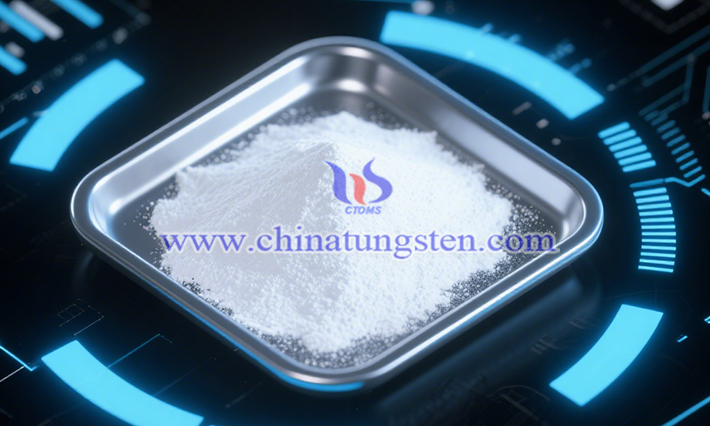
Like cobalt tungstate (CoWO₄) and nickel tungstate (NiWO₄), ferrous tungstate is an inorganic compound composed of transition metal elements, Group VIII elements, and non-metals, exhibiting excellent physicochemical properties and wide applications in the chemical industry. Note: Iron, cobalt, and nickel, known as iron-group elements, are all fourth-period, Group VIII elements with atomic numbers 26, 27, and 28, respectively. Their properties are similar, and they all display ferromagnetism.
Application of Tungsten Wire in Glass Thermal Processing
- Category: Tungsten Information
- Published on 01 July 2025
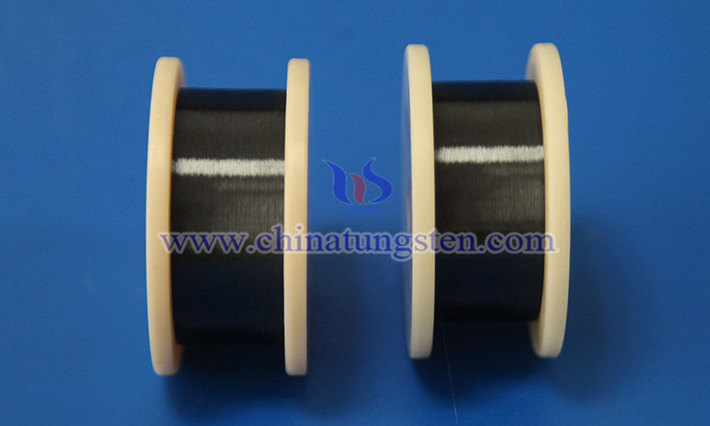
The application of tungsten wire in glass thermal processing is mainly due to its high melting point, high temperature resistance and good thermal stability. Tungsten wire is mainly used as a heating element in glass thermal processing, used in melting, drawing, sealing and laboratory processing.
Environmental Performance of Tungsten Wire in Electric Heated Glass
- Category: Tungsten Information
- Published on 01 July 2025
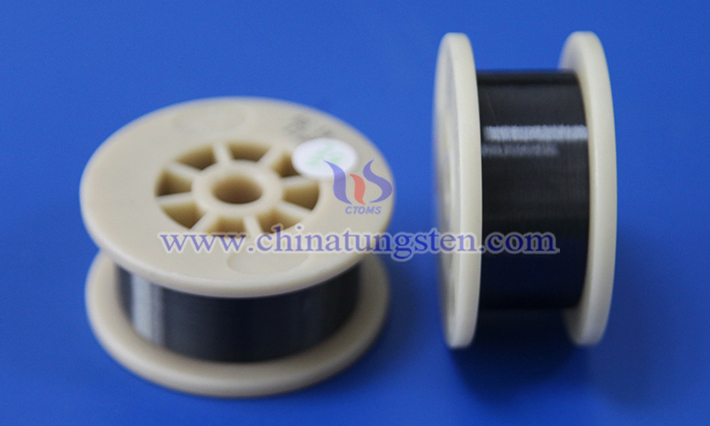
Tungsten wire is widely used in the manufacture of electric heated glass due to its high melting point, low evaporation rate and excellent thermal properties. It is used as a heating element to achieve defog, defrost or insulation functions. Electric heated glass usually generates heat after power is turned on by embedding tungsten wire in laminated glass or coating conductive film on the surface of glass to achieve functions such as light transmission and insulation.