Influence of Tungsten Content on Tungsten-Nickel-Iron Alloy Performance
- Category: Tungsten Information
- Published on 07 July 2025
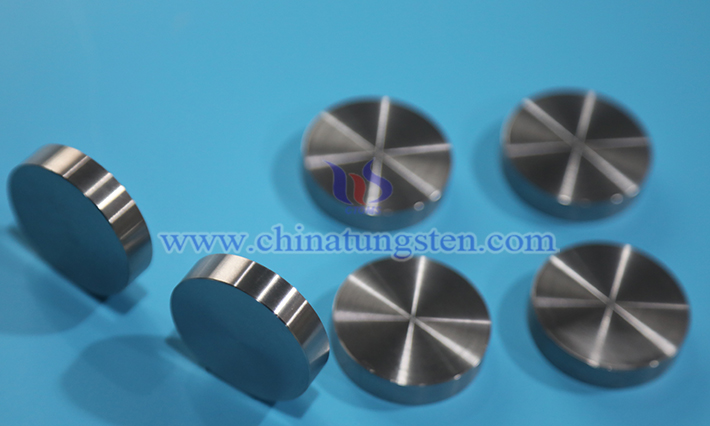
Tungsten is the core component of tungsten-nickel-iron alloy, imparting exceptional counterweight performance through its high density of 19.35 g/cm³. It also enhances the alloy’s strength and hardness via solid-solution strengthening and particle dispersion strengthening, while optimizing its radiation absorption capacity, making it an ideal choice for high-performance shielding materials.
Factors Influencing the Performance of Tungsten-Nickel-Iron Alloy
- Category: Tungsten Information
- Published on 07 July 2025
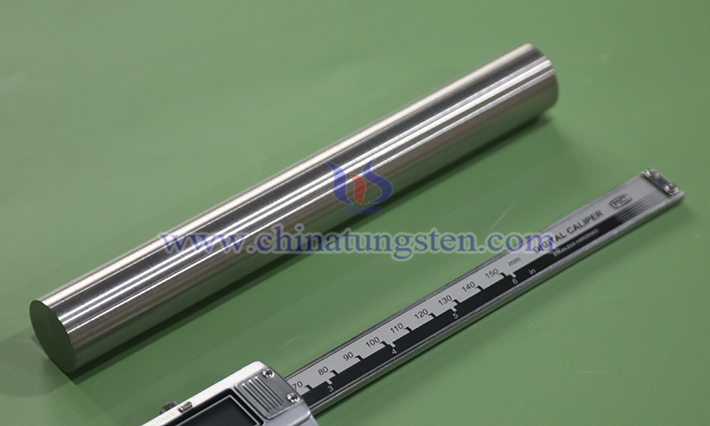
Tungsten-nickel-iron alloy is a material with tungsten as its base, incorporating nickel and iron, where tungsten content typically ranges from 90% to 98%, and the nickel-to-iron ratio is commonly 7:3 or 1:1. It exhibits high density, high strength, and excellent radiation shielding capabilities, finding wide use in counterweights and shielding applications. However, its performance is not fixed and is influenced by factors such as composition ratio, raw material quality, forming process, and heat treatment parameters.
Properties of Tungsten-Nickel-Iron Alloy
- Category: Tungsten Information
- Published on 07 July 2025
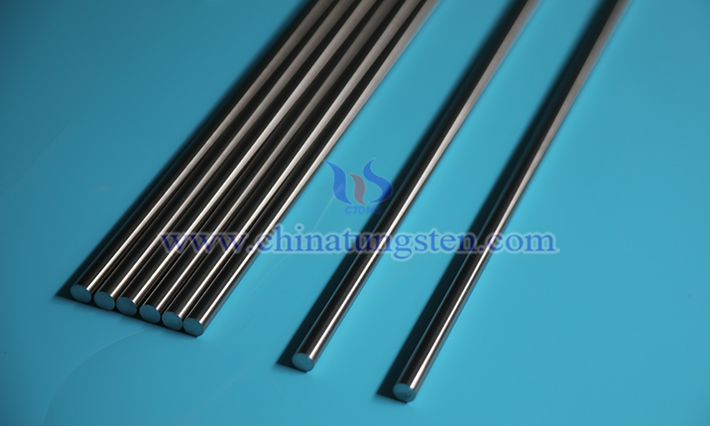
In the expansive realm of materials science, tungsten-nickel-iron alloy garners significant attention for its unique properties and broad applications. As the name suggests, it is an alloy based on tungsten, with nickel and iron added, typically in a nickel-to-iron ratio of 7:3 or 1:1, and tungsten content ranging from 90% to 98%. This composition endows it with a host of exceptional characteristics.
Factors Influencing the Performance of Tungsten-Nickel-Iron Alloy
- Category: Tungsten Information
- Published on 07 July 2025
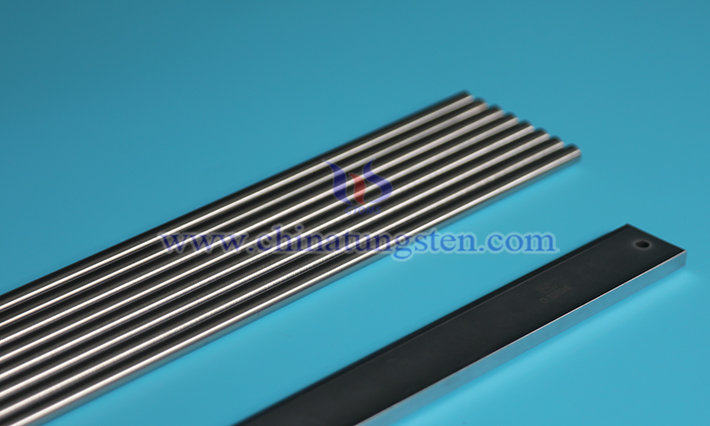
In the vast landscape of modern industry, tungsten-nickel-iron alloy stands out as a multifaceted material due to its unique properties, playing a pivotal role across numerous fields. From high-precision equipment in aerospace to robust tools in oil drilling, from protective components in medical devices to precision parts in the automotive industry, this alloy is ubiquitous.
Production Methods of Tungsten-Nickel-Iron Alloy
- Category: Tungsten Information
- Published on 04 July 2025
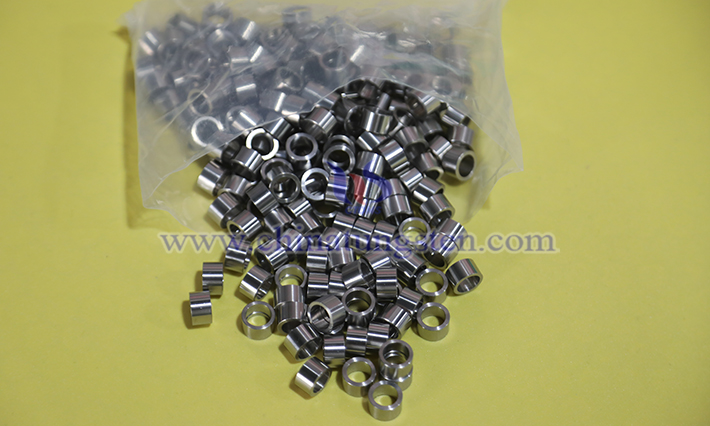
Tungsten-nickel-iron alloy, composed of tungsten, nickel, iron, and other elements, features high strength, high hardness, excellent corrosion resistance, and radiation shielding capabilities. It is widely used in aerospace, aviation, military, and electronics fields, such as for manufacturing counterweights, shielding components, and high-temperature structural parts. Common production methods include powder metallurgy, metal injection molding, and chemical co-precipitation.
Chemical Properties of Tungsten-Nickel-Iron Alloy
- Category: Tungsten Information
- Published on 04 July 2025
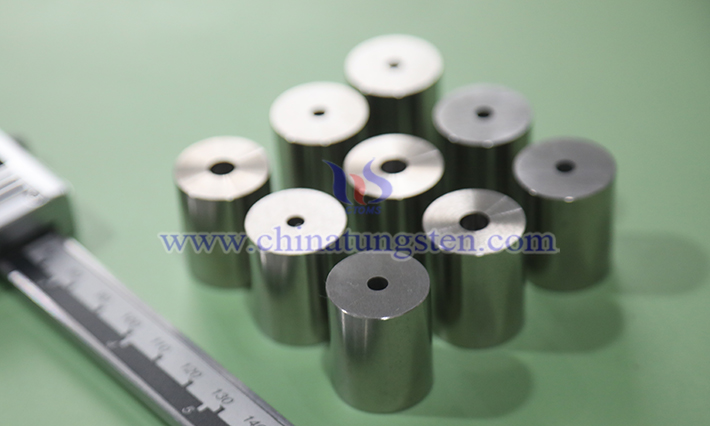
The physical properties of tungsten-nickel-iron alloy include high strength, good ductility, high hardness, wear resistance, and a low thermal expansion coefficient, while its chemical properties encompass excellent corrosion resistance, high-temperature oxidation resistance, chemical stability, and erosion resistance. These chemical properties arise from the synergistic effects of the constituent elements and the alloy’s microstructural characteristics.
Physical Properties of Tungsten-Nickel-Iron Alloy
- Category: Tungsten Information
- Published on 04 July 2025
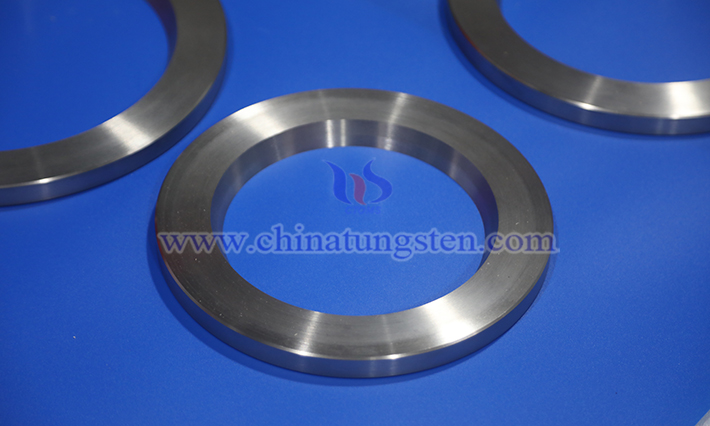
Tungsten-nickel-iron alloy is a material with tungsten as the matrix (typically 90%–98% tungsten content), formed by adding nickel, iron, and other elements. Its physical properties stem from the synergistic effect of tungsten’s high hardness and the toughness of the nickel-iron binder phase, which can be optimized by adjusting composition ratios and preparation processes.
Impact of Density on Tungsten-Nickel-Iron Alloy Applications
- Category: Tungsten Information
- Published on 04 July 2025
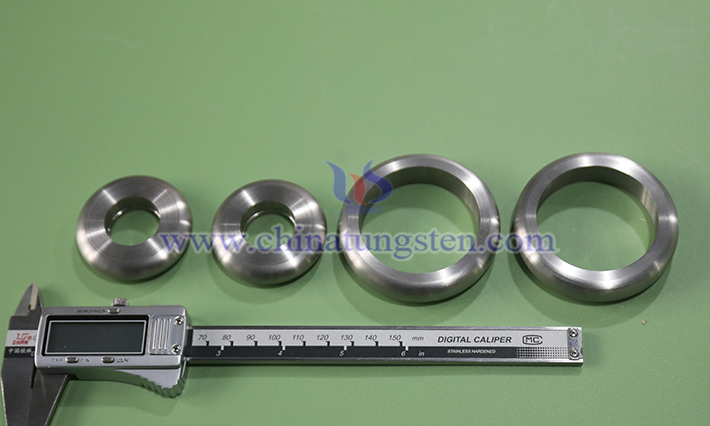
The density of tungsten-nickel-iron alloy, typically ranging from 17.0 to 18.5 g/cm³, is a critical factor influencing its application scenarios. This high-density characteristic profoundly impacts the alloy’s use across functional realization, structural design, and scenario adaptability.
Characteristics of Tungsten-Nickel-Iron Alloy
- Category: Tungsten Information
- Published on 04 July 2025
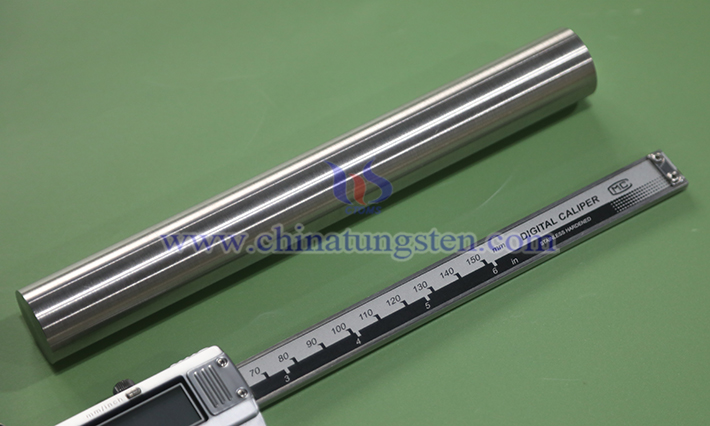
Tungsten-nickel-iron alloy is a high-density alloy with tungsten as the base (typically 80%–98% tungsten content), incorporating nickel, iron, and other elements. It boasts a range of unique physical, chemical, and mechanical properties, finding wide use in aerospace, defense, medical devices, and industrial manufacturing.
Can Chrome Plating on Tungsten Alloy Surfaces Improve Corrosion Resistance?
- Category: Tungsten Information
- Published on 03 July 2025
Chrome plating on tungsten alloy surfaces can greatly enhance corrosion resistance. This is a common surface engineering technique used to improve durability and decorative appearance.
1. Basic Principle of Chrome Plating
Chrome plating—primarily referring to hard chrome plating—is an electrochemical process that deposits a dense chromium (Cr) layer on the surface of a metal. This chromium layer features:
- High hardness (HV800~HV1000)
- Excellent wear resistance and low friction coefficient
-
Good chemical stability and oxidation resistance