A Method to Recover Tungsten and Nickel from Waste Nickel-Tungsten Catalysts
- Category: Tungsten Information
- Published on 30 July 2018
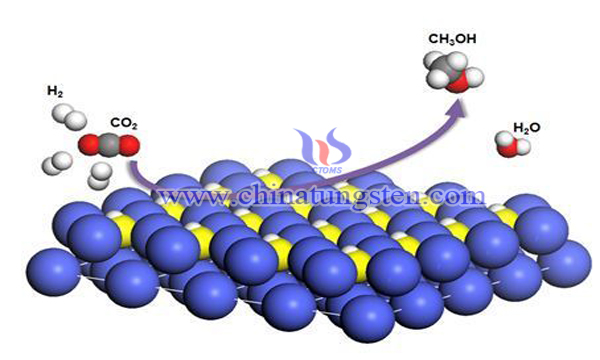
Nickel-tungsten catalysts are widely used in hydrotreating and hydrocracking. The main components are about 25% tungsten trioxide, 2% nickel oxide, 50% alumina, 5% silica, and a small amount of iron, vanadium and other substances. Waste nickel-tungsten catalysts contain metals such as tungsten and nickel. If they are recycled, they will generate huge economic benefits and avoid environmental pollution caused by the waste of nickel-tungsten catalysts.
An Acid Process to Concentrate Oxidized Tungsten-Molybdenum Ore
- Category: Tungsten Information
- Published on 30 July 2018
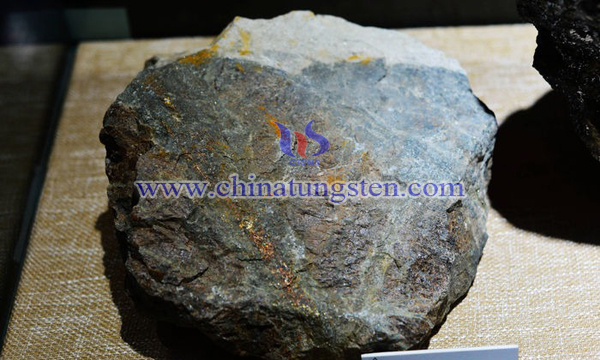
In recent years, the improvement of the metallurgy and the improvement of the concentration capacity of the oxidized tungsten-molybdenum ore have been greatly improved. For example, Gansu, Qinghai, Xinjiang, Inner Mongolia and other provinces now, has the ability to have a froth float on tungsten-molybdenum ore with a tungsten trioxide content of 3 to 8%, and a molybdenum content of 2.5 to 12.5%; The Guangdong and Guangxi regions have the ability to have a froth floatation on tungsten-molybdenum ore containing 20 to 45% of tungsten trioxide and 10 to 25% of molybdenum.
The Direct Reduction Carbonization Method to Prepare Ultra-Fine WC Powder
- Category: Tungsten Information
- Published on 30 July 2018
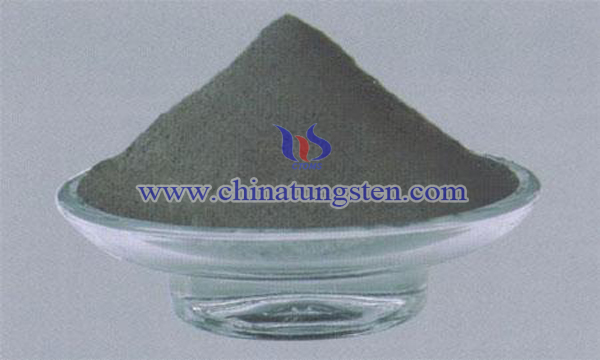
Tungsten carbide (WC) is the main raw material for the production of cemented alloy. The main production method is one-step method and two-step method. At present, the main method for producing WC powder is two-step method: Firstly reducing the tungsten oxide to tungsten powder with hydrogen. Then, tungsten powder is carbonized to form WC powder at a high temperature. In the production practice, the method is not suitable for producing ultrafine WC powder.
Hardness Testing Methods of Tungsten Carbide Button
- Category: Tungsten Information
- Published on 30 July 2018
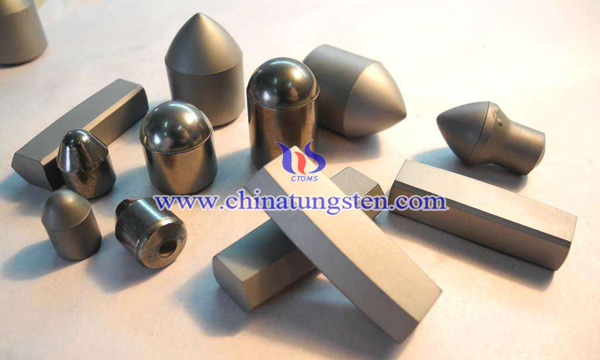
Tungsten Carbide Button has a series of excellent properties, such as high hardness, abrasion resistance, good strength and toughness, heat resistance, corrosion resistance and so on. Meanwhile, the properties of high hardness and abrasion resistance keep the tungsten carbide button in shape basically at 500℃ and maintain the high hardness at 1000℃.
A Photocatalyst Material for the Degradation of Synthetic Dye Contaminants
- Category: Tungsten Information
- Published on 30 July 2018
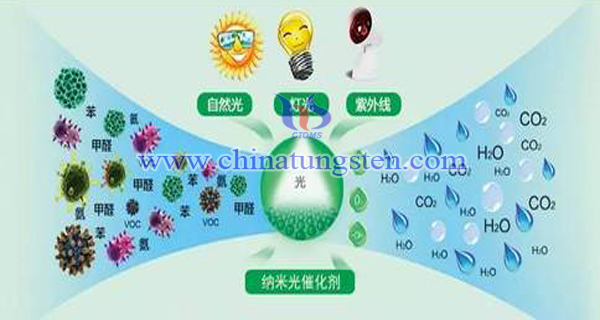
It is well known that in addition to titanium dioxide, tungsten trioxide is one of the most studied photocatalyst materials in recent years. Due to the introduction of nanotechnology, the photocatalytic performance of tungsten trioxide has been greatly improved. A photocatalyst is a substance that stimulates a reaction by absorbing light without changing before or after the reaction. The photocatalyst has the ability to absorb energy in sunlight, prevent infection and disease outbreak by destroying bacteria and provides disinfection, and purifie water and air.
Recycle Tungsten Waste Water by Ion Exchange Process
- Category: Tungsten Information
- Published on 30 July 2018
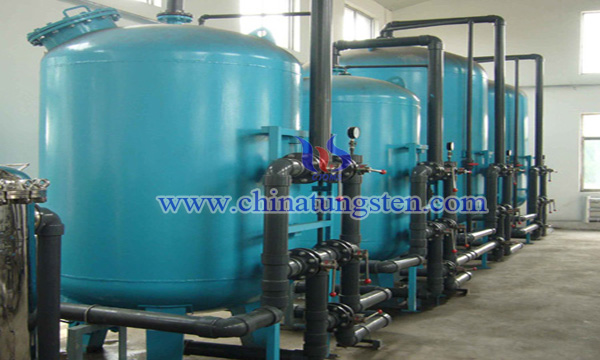
In the process of producing APT, about 10% ~ 15% of tungsten enters all kinds of slag washing water and APT crystallization mother liquor, the tungsten concentration of this solution is relatively low. The sediment filtrate and discharge waste water contains WO3 about 0.1 ~ 2g/L, the exchange fluid discharged by the ion exchange contains about 0.1 ~ 0.5g/L of WO3, and the mother liquor of evaporation crystallization contains WO3 about 5 ~ 20g/L. The recovery and utilization of these tungsten containing wastewater is particularly important, and all tungsten smelting manufacturers attach great importance to it.
Tungsten Carbide Powder Recycling from Tungsten Waste
- Category: Tungsten Information
- Published on 30 July 2018
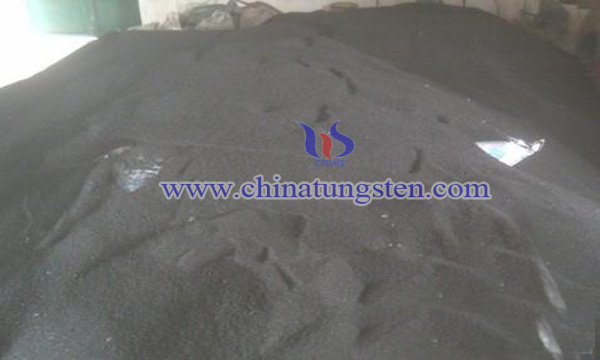
At present, the recovery and processing of tungsten waste has become a large scale, forming industry, mainly using tungsten waste to treat the sodium tungstate with wet process. This method has a large amount of treatment and is widely used for the tungsten containing waste. However, this method has serious pollution to the environment and the process is more complex.
Ammonium Paratungstate Production by Guanidine Salt Separation Method
- Category: Tungsten Information
- Published on 30 July 2018
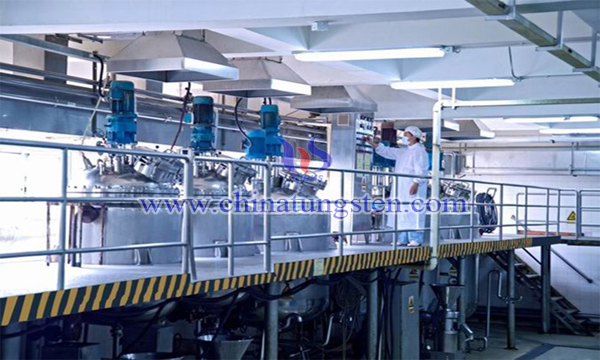
At present, there are two methods for the production of ammonium paratungstate. First, the industrial sodium tungstate solution is first made to make white tungsten, then the concentrated acid is made into tungstate under the condition of heating and cooking. Then tungstate is made into ammonium paratungstate. The industrial sodium tungstate solution through anion exchange resin and then rinse with concentrated ammonium chloride, so that tungsten is made into ammonium tungstate. Then, the tungsten is made into ammonium tungstate. It is evaporated into ammonium paratungstate. Both of two methods have no molybdenum removal. To achieve the purpose of removing molybdenum, or to reduce the crystallization rate of ammonium paratungstate to 70-80%, the mother liquid should be removed from molybdenum after reducing the crystallization rate.
SCR Waste Catalyst Recycling
- Category: Tungsten Information
- Published on 30 July 2018
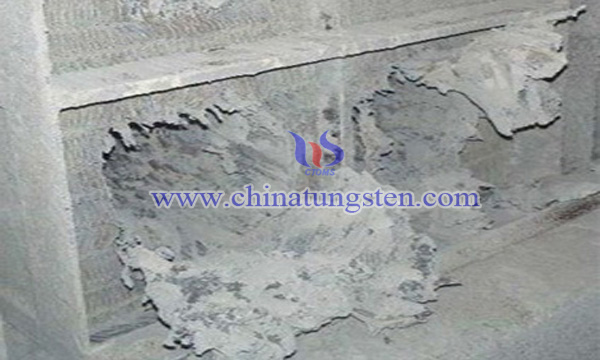
Selective catalytic reduction (SCR) technology and its key equipment denitration catalyst industry have been vigorously developed for the treatment of thermal power plants. Vanadium tungsten (molybdenum) titanium catalyst is the most widely used SCR denitration catalyst in SCR technology.
Tungsten and Molybdenum Separation from Tungstate and Molybdenum Mixture
- Category: Tungsten Information
- Published on 30 July 2018
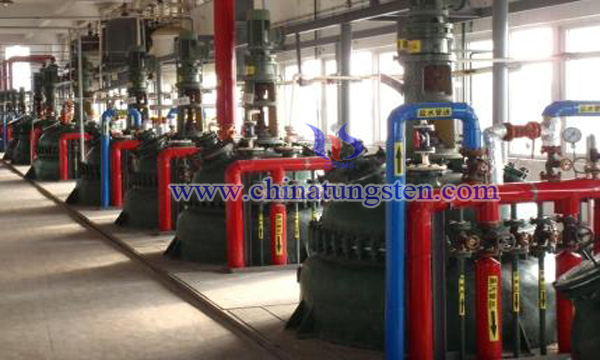
Molybdenum and tungsten are strictly controlled impurities in tungsten and molybdenum metallurgical products. The national standard GB10116-88 of our country stipulates that molybdenum is not more than 20ppm in the 0 grade ammonium paratungstate, the national standard GB/T3480-2007 stipulates that MSA-0 molybdenum acid is not more than 150ppm in the product. When dealing with molybdenum scheelite, waste catalyst and other raw materials, they are faced with the task and difficult problem of separating tungsten from molybdenum in solution.