The Effect of Crystal Structure on the Properties of Cemented Carbide Balls
- Category: Tungsten Information
- Published on 10 September 2025
- Hits: 93
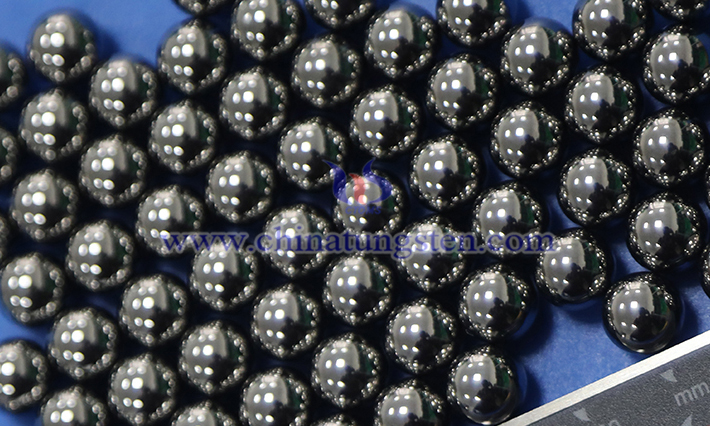
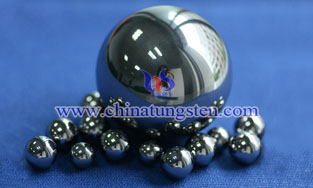
Cemented carbide balls are spherical products made through powder metallurgy, using tungsten carbide (WC) as the primary hard phase and a metal such as cobalt (Co) as a binder phase. Their crystal structure (including the crystal type, lattice parameters, defects, and interfacial structure of the hard and binder phases) plays a decisive role in properties such as hardness, toughness, wear resistance, and corrosion resistance.
Crystal Structure of Tungsten Cemented Carbide Balls
- Category: Tungsten Information
- Published on 10 September 2025
- Hits: 100
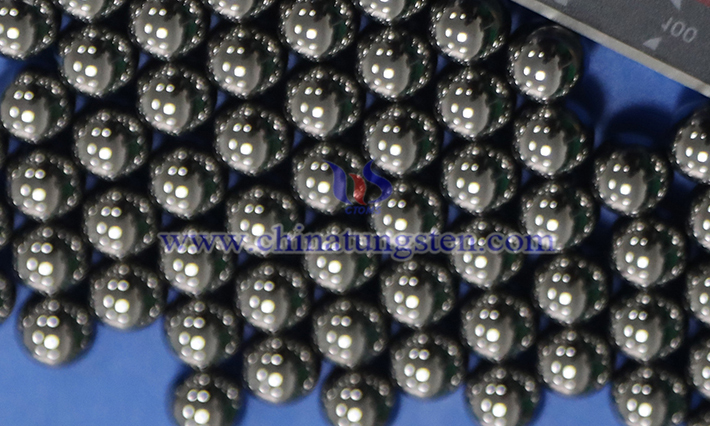
Tungsten cemented carbide balls are spherical products made of cemented carbide. Their core component is typically a tungsten carbide (WC) matrix, with metal binders such as cobalt (Co) and nickel (Ni). Their crystal structure is primarily determined by the phase structures of the tungsten carbide and the metal binder.
Microstructural Characteristics of Cemented Carbide Balls
- Category: Tungsten Information
- Published on 10 September 2025
- Hits: 95
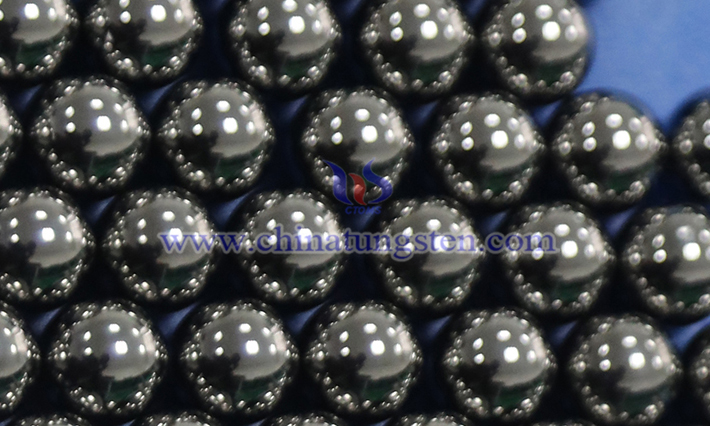
Cemented carbide balls are typically manufactured through a powder metallurgy process using a refractory metal, tungsten carbide (WC), as the hard phase and an iron-group metal (such as cobalt, Co, nickel, etc.) as the binder phase. They are high-performance materials commonly used in bearings, valves, oil drilling balls, and mining tools. Their microstructural characteristics have a decisive influence on mechanical properties, wear resistance, and corrosion resistance. Specific characteristics are as follows:
Chemical Properties of Tungsten Cemented Carbide Balls
- Category: Tungsten Information
- Published on 10 September 2025
- Hits: 83
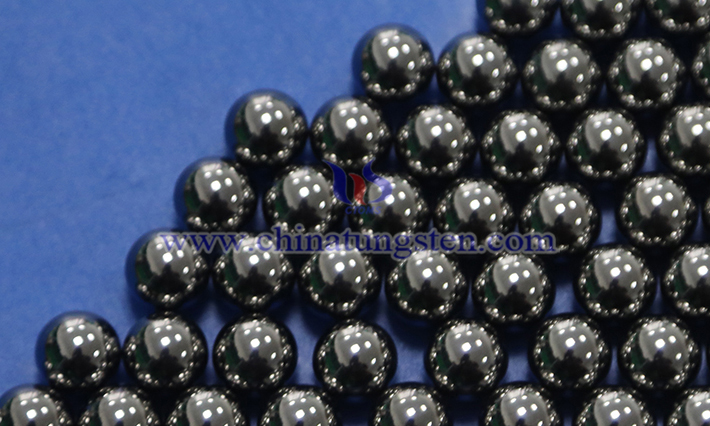
Tungsten cemented carbide balls are primarily manufactured through a powder metallurgy process using tungsten carbide (WC) and a metal binder (such as cobalt (Co) or nickel (Ni). Their chemical properties are primarily determined by these components. The following is an overview of the chemical properties of tungsten cemented carbide balls:
Physical Properties of Tungsten Cemented Carbide Balls
- Category: Tungsten Information
- Published on 10 September 2025
- Hits: 96
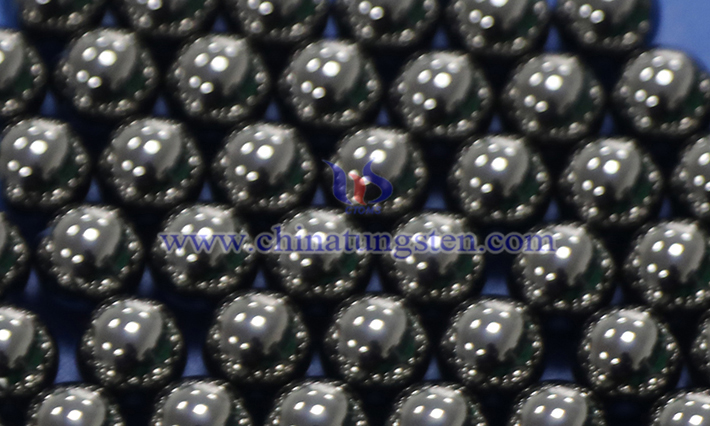
Tungsten cemented carbide balls are typically composed of tungsten carbide (WC) with a metal binder such as cobalt (Co). They possess the following key physical properties:
Physical and Chemical Properties of Tungsten Cemented Carbide Balls
- Category: Tungsten Information
- Published on 10 September 2025
- Hits: 78
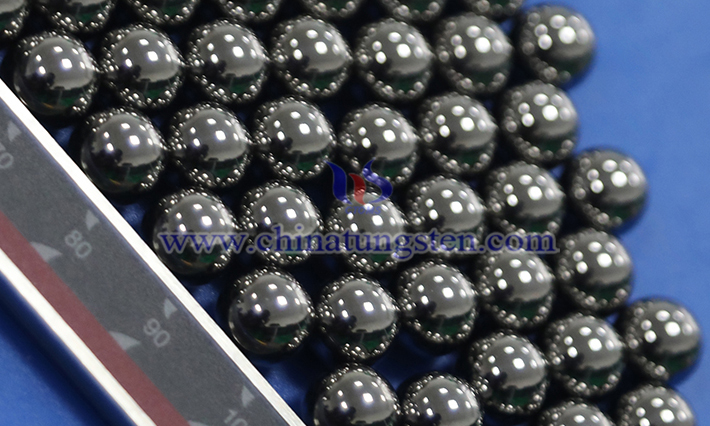
Tungsten cemented carbide balls (typically made of tungsten-cobalt alloy or other cemented carbide materials) possess the following key physical and chemical properties, making them suitable for industrial applications, cutting tools, bearings, and other fields:
Materials and Properties of Tungsten Cemented Carbide Balls
- Category: Tungsten Information
- Published on 10 September 2025
- Hits: 97
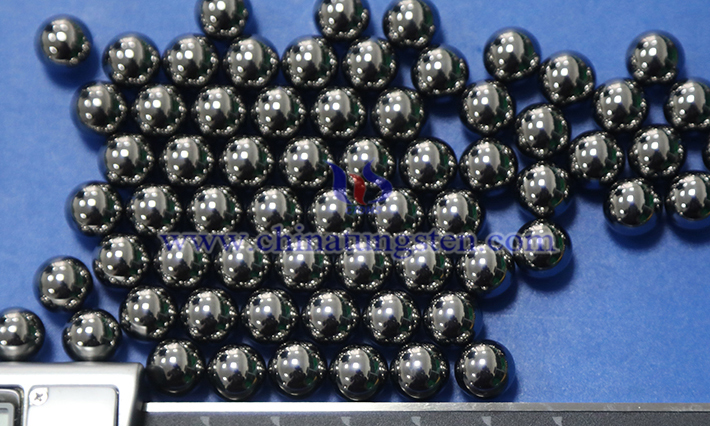
Tungsten cemented carbide balls are primarily made of tungsten carbide (WC) and a binder (such as cobalt (Co) or nickel (Ni)) through a powder metallurgy process. They exhibit high hardness, high wear resistance, corrosion resistance, and good compressive strength. The following is a detailed analysis of their materials and properties:
Characteristics of Tungsten Cemented Carbide Balls
- Category: Tungsten Information
- Published on 10 September 2025
- Hits: 94
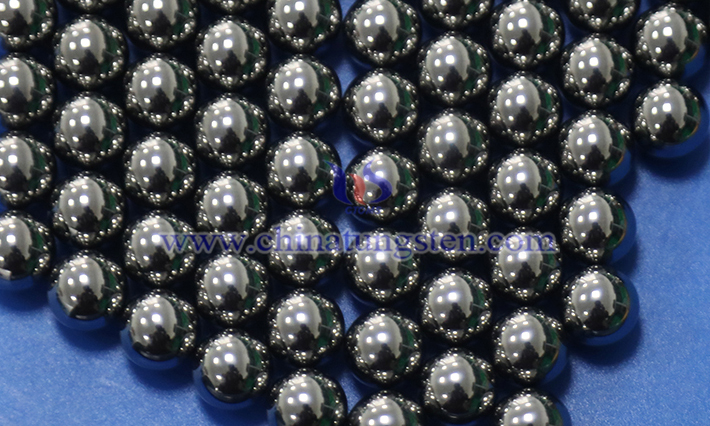
Tungsten cemented carbide balls, due to their outstanding performance, are widely used in industrial applications such as precision bearings, valves, abrasive media, and metering instruments. Their high hardness and wear resistance make them outstanding in harsh environments.
What Are Tungsten Cemented Carbide Balls?
- Category: Tungsten Information
- Published on 10 September 2025
- Hits: 95
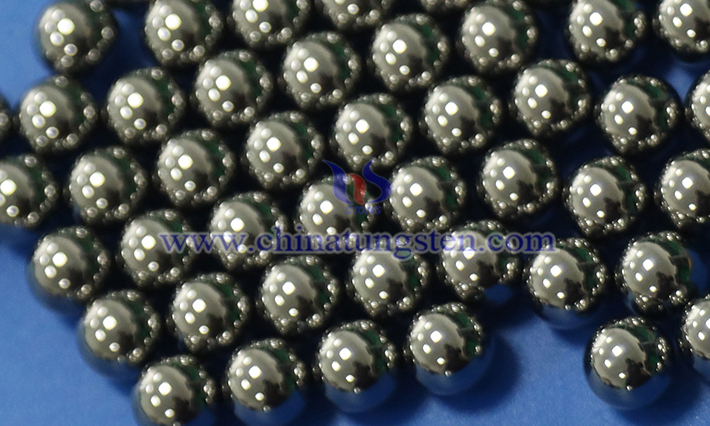
Tungsten cemented carbide balls are spherical components primarily made from tungsten carbide and a metal binder (such as cobalt) using a powder metallurgy process. They exhibit extremely high hardness, wear resistance, and corrosion resistance. Their unique properties have led to their widespread use in industries such as industry, manufacturing, and precision instruments.
Applications of Tungsten Alloy Discs in Target Material Fields
- Category: Tungsten Information
- Published on 09 September 2025
- Hits: 110
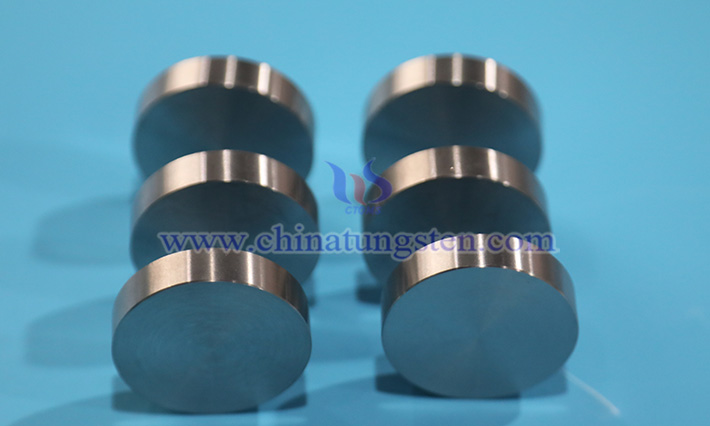
Tungsten alloy discs, with their high density, excellent high-temperature resistance, and corrosion resistance, have wide-ranging applications in the target material field, particularly excelling in advanced manufacturing techniques such as physical vapor deposition (PVD), sputtering coating, and ion beam deposition. As a high-performance target material, tungsten alloy discs play a critical role in industries such as semiconductors, solar cells, display panels, and optical coatings.