China Tungsten Price Stabilizes After the Holiday of Labor Day
- Category: Tungsten's News
- Published on 05 May 2023
- Hits: 792
Analysis of latest tungsten market from Chinatungsten Online
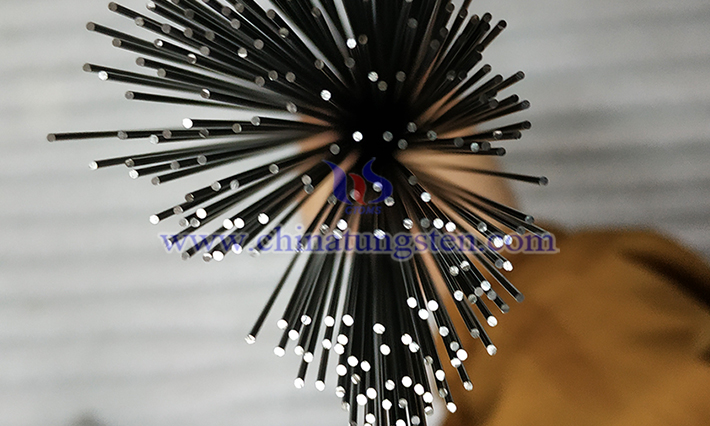
China tungsten price stabilizes in the first trading day after the holiday of Labor Day and most market participants are waiting for the new guidance from listed tungsten companies.
China Tungsten Price Was in the Upward Trend in April 2023
- Category: Tungsten's News
- Published on 04 May 2023
- Hits: 903
Analysis of latest tungsten market from Chinatungsten Online
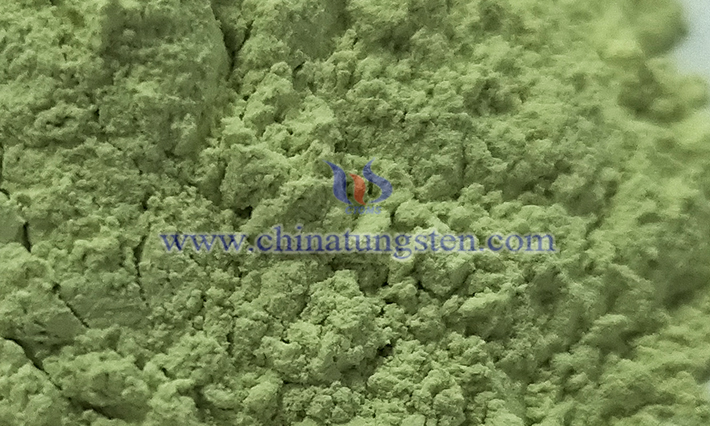
In April 2023, China tungsten price stabilized in the first half of this month and then rose in the second half of this month.
Terbium Oxide Price – May 4, 2023
- Category: Tungsten's News
- Published on 04 May 2023
- Hits: 873
The overall China’s domestic rare earth market is still weak, mainly reflected in the slight decline in the prices of rare earth products such as praseodymium, neodymium, dysprosium and terbium and the actual transaction volume is small.
China Molybdenum Price - May 4, 2023
- Category: Tungsten's News
- Published on 04 May 2023
- Hits: 689

China molybdenum price stabilizes in the first trading day after the holiday of Labour Day as most participants do not totally come back from the holiday. At present, the industry is focusing on the shipment situation of molybdenum mining enterprises and the bidding situation of steel enterprises.
Self-Passivating Tungsten Alloys and Surface Coating Protection Technology
- Category: Tungsten's News
- Published on 02 May 2023
- Hits: 836
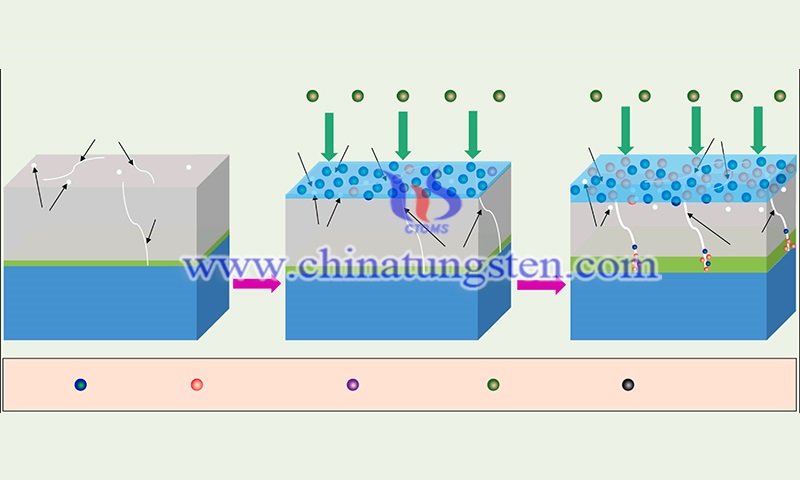
In order to solve the problem of poor oxidation resistance of W and W-based alloys at high temperatures, this work gives self-passivating tungsten alloys and surface coating protection technology. Optimization of the preparation process of the alloy (heat treatment of HIPed alloy, etc.) can effectively reduce or eliminate its internal cracks and holes, thermal stresses and residual stresses, thus reducing its surface roughness and porosity. In addition, some beneficial elements (Ti, Zr, Y, Nb, etc.) can be added to improve the high-temperature strength of W-based alloys, slow down the diffusion of Cr cations, and promote the formation of oxide films.
Effect of Coating Preparation Method on Oxidation Behavior of W-Based Materials
- Category: Tungsten's News
- Published on 02 May 2023
- Hits: 734
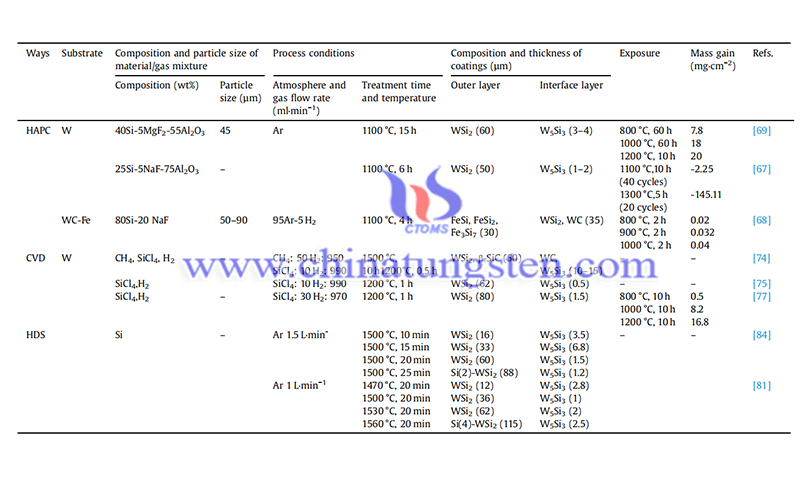
Researchers summarize the effects of different coating preparation methods on the coating composition and oxidation behavior of W-based materials. It can be seen that the silicide coating consists mainly of a thick WSi2 layer and a thin W5Si3 layer. The HAPC coating requires a longer time due to the relatively low diffusion temperature. After 4~15 hours of treatment at 1100 °C, the thickness of the coating is only 30~60 µm. However, using CVD technology, the thickness of the coating can reach 50~80 microns after 0.5~1 hour of deposition at 1200°C. In contrast, the HDS technique is very efficient for coating preparation. By depositing at 1500°C for 0.25~0.42 h, coatings with thicknesses of 36~88 µm can be obtained.
Si-WSi2 Coating Prepared by HDS
- Category: Tungsten's News
- Published on 01 May 2023
- Hits: 735
Zhang et al. prepared Si-WSi2 coatings on W substrates by hot-dip silicon-plating (HDS) technique. The HDS method involves placing a solid infiltration source into a corundum crucible under a high-temperature protective atmosphere, heating it until it is completely melted, and maintaining the temperature for a certain period of time. The processed sample is then slowly placed into the crucible and the coating is formed on the surface of the substrate by interpenetration between the substrate and the melt. This method is considered to be a cost-effective coating preparation method, which features short coating preparation time, high deposition temperature, uniform coating composition, smooth surface, and compact structure.
WSi2/β-SiC Nanocomposite Coating Prepared by CVD
- Category: Tungsten's News
- Published on 01 May 2023
- Hits: 732
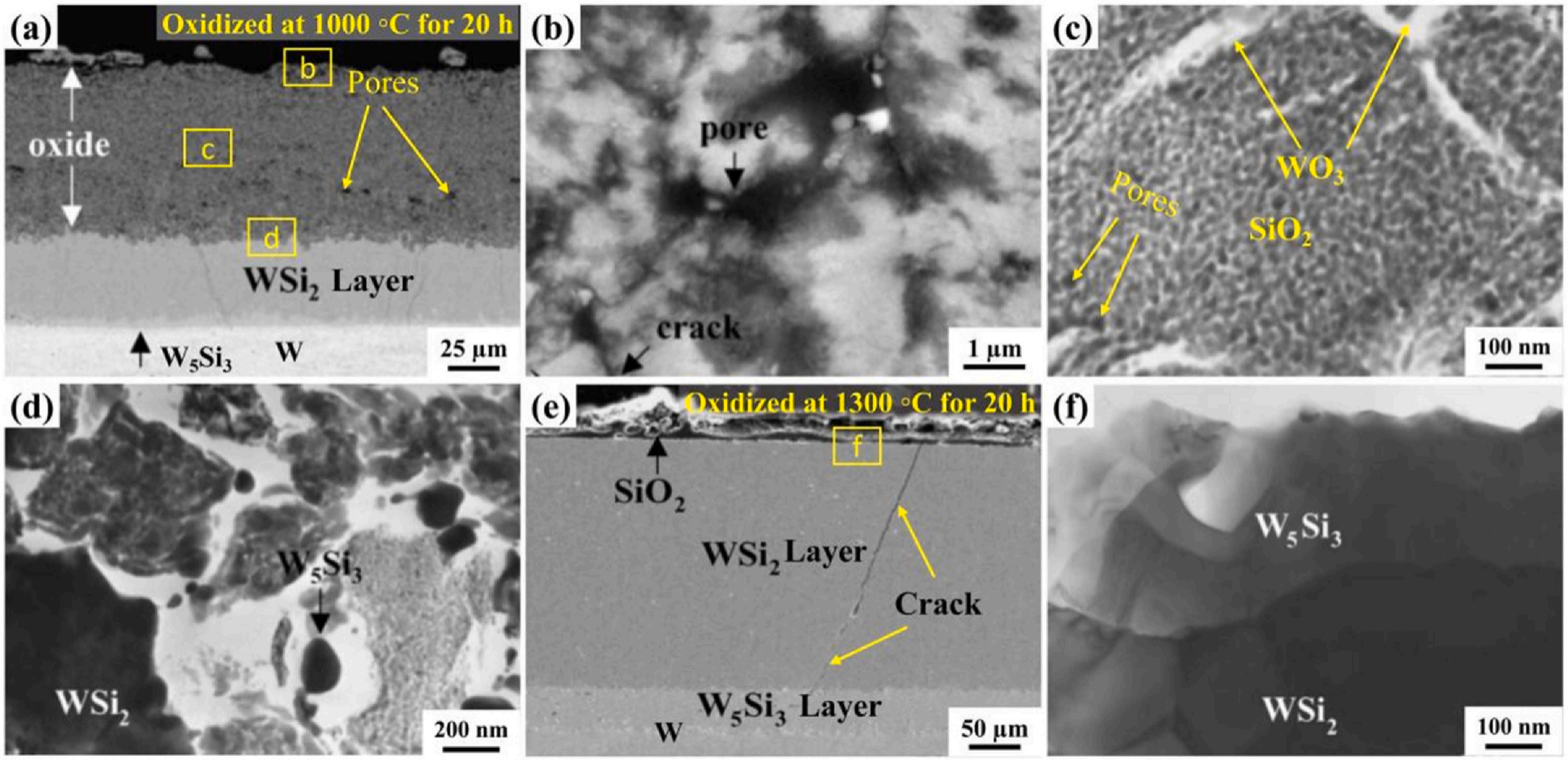
The WSi2/β-SiC nanocomposite coating were obtained by a two-step chemical vapor deposition (CVD) process. EPMA results showed that the carbide coatings consisted of a WC layer and a W2C layer with corresponding thicknesses of 2 and 17 µm, respectively. The WSi2 layer with a thickness of about 50 µm was then obtained by silicification at 1200 °C for 30 min.
Antioxidant Coating for W-Based Alloys
- Category: Tungsten's News
- Published on 30 April 2023
- Hits: 674
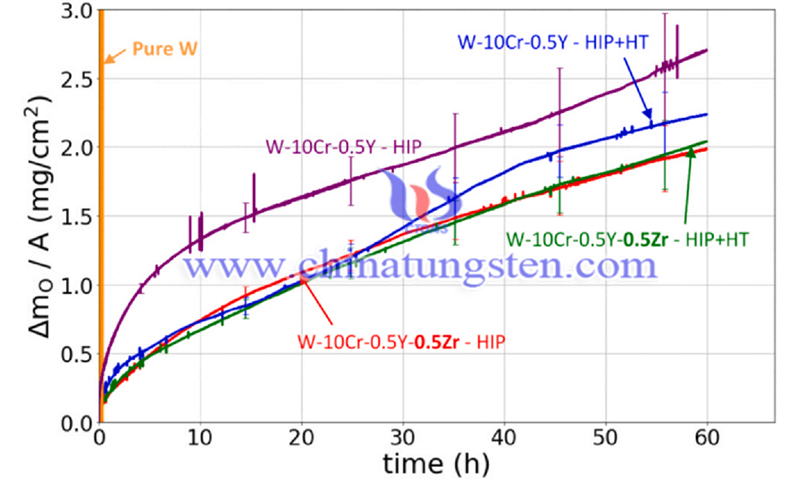
Surface antioxidant coating technology for W-based alloys is an important measure for the oxidation protection of material surfaces and has been widely used for the oxidation protection of refractory metals. Among them, halide-activated packet cementation (HAPC), chemical vapor deposition (CVD) technology, and hot dipping silicification (HDS) technology have won the favor of more researchers in the oxidation protection of W-based materials due to their excellent process conditions.
Oxidation Mechanisms of W-Based Alloys
- Category: Tungsten's News
- Published on 30 April 2023
- Hits: 719
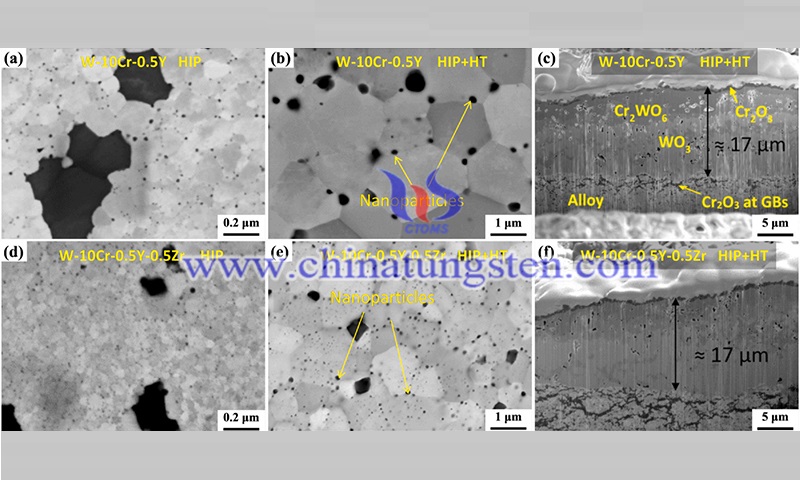
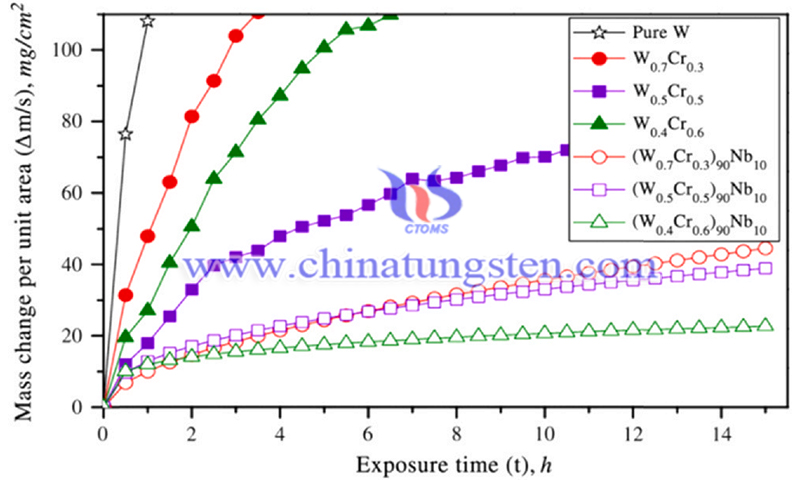
The oxidation mechanisms and failure mechanisms of W-based alloys indicate that the oxidation process can be divided into two distinct phases. The rate of oxide film formation and the stability of the structure are the key factors affecting the oxidation resistance of W-Cr alloys. the Si and Cr elements are easily oxidized to form a stable protective film. Therefore, the oxidation properties of W-Si-based alloys and W-Cr-based alloys have been extensively investigated.